
Breast reconstruction options: implants or your own tissue?
On Dr. Rod Rohrich’s video podcast, Rohrich Knose Best, a conversation about choosing between implant-based and own-tissue reconstruction.
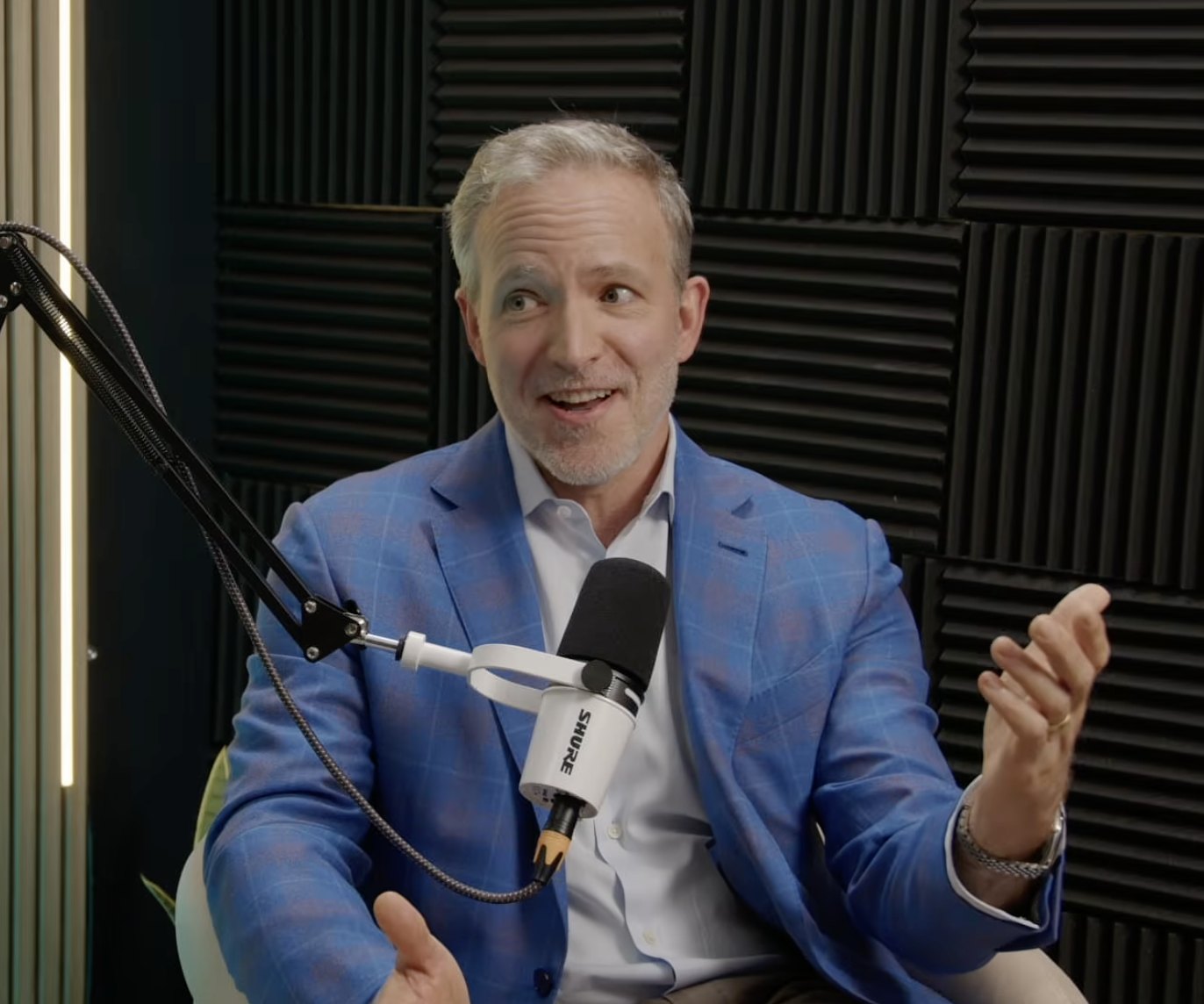
I recently sat down with Dr. Rod Rohrich for his video podcast, Rohrich Knose Best, to talk about one of the questions I hear most: should I have implants, or reconstruction with my own tissue?
Watch the conversation
Two main paths
Neither option is better for everyone; it depends on the person. Implants usually mean a shorter operation and an easier recovery up front, but implants don’t last forever, so many patients need another surgery years later. Own-tissue reconstruction is a bigger operation, but the result is natural and permanent and changes with you over time. Although I’m known for own-tissue reconstruction, I actually perform more implant reconstructions.
The lower abdomen (the DIEP flap) is the most common donor site. For patients who are very thin or have had a tummy tuck, the thigh (PAP flap) or the flank (LAP flap) can still make own-tissue reconstruction possible.
Reconstruction is a process
It’s rarely one surgery. Many patients have two or three stages: sometimes a tissue expander first, then an implant or a flap, and finally refinements such as nipple reconstruction, fat grafting or reshaping.
What’s next
Loss of feeling after mastectomy matters for safety as well as quality of life. With robotic nipple-sparing mastectomy, we noticed that sensation seemed better, and we’re now tracking it. Lymphedema is less common as fewer patients need a full removal of the underarm lymph nodes, and newer procedures to treat or prevent it are still being studied.
Finding the right team
Look for a team that offers the full range of options, works closely with experienced breast surgeons and the rest of the cancer team, and cares about your whole recovery. And choose someone you’re comfortable with; you’ll see each other over about a year.
Related
Considering breast reconstruction?
Tell us a little about yourself and Dr. Haddock’s office will reach out to help you schedule a consultation.
Request a Consultation